Animals in Rooflines, Soffits & Vents in Springfield, MO
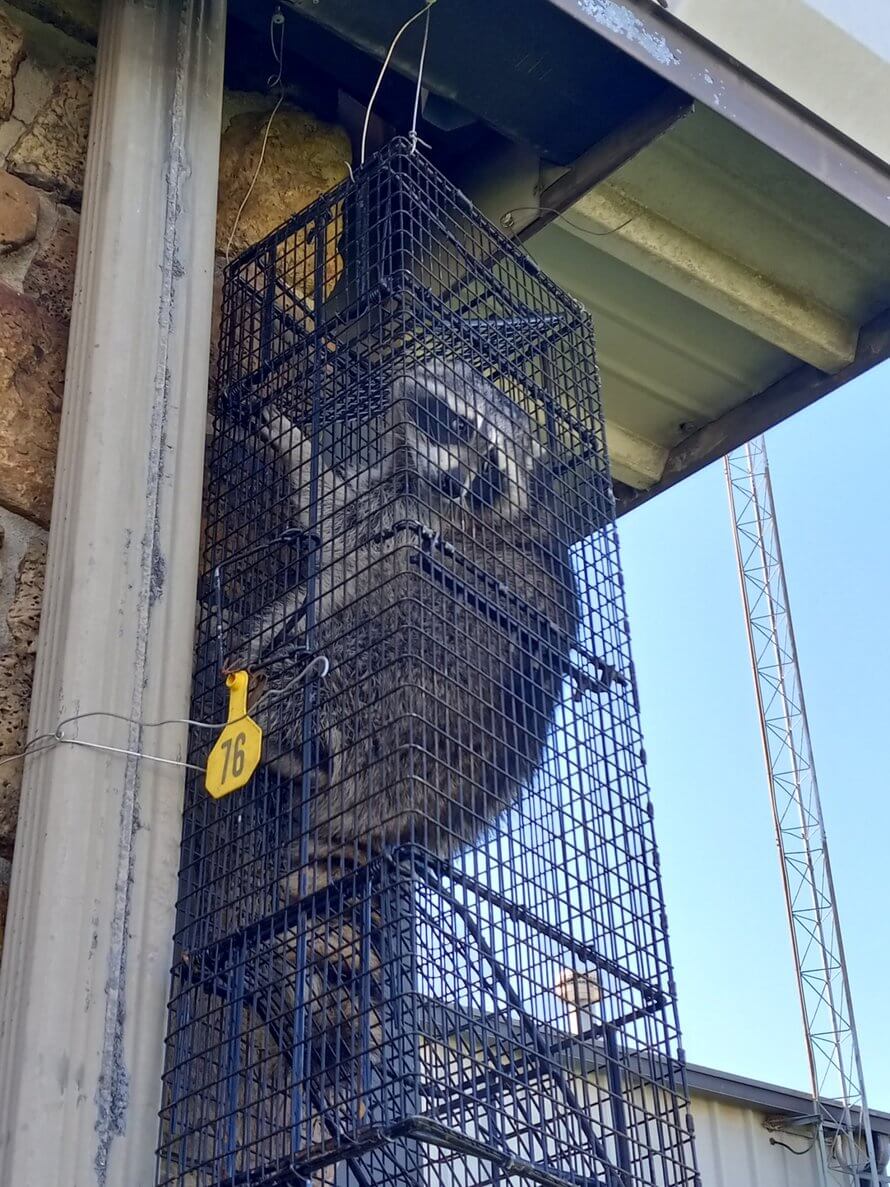
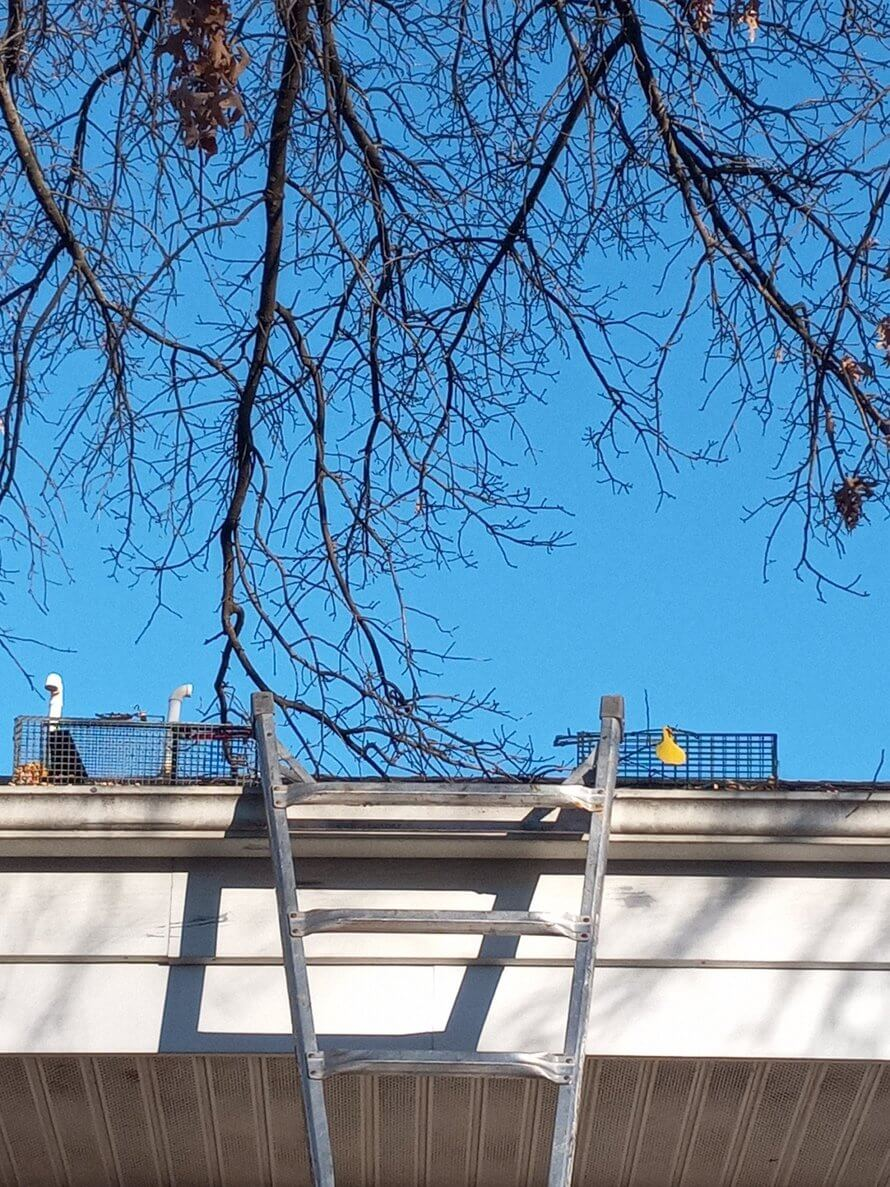
Animals in roofline Springfield MO services help homeowners deal with nuisance wildlife entering through soffits, vents, fascia, roof gaps, and attic openings. Raccoons, squirrels, bats, birds, and other animals may use weak areas around the roofline to get inside. First, Kennedy Wildlife looks for signs of animal activity and damage. Then, we identify the entry point. After that, we use humane removal methods and recommend repair or exclusion work to help keep wildlife from getting back inside.
Signs Wildlife May Be Getting in Through the Roofline In Springfield, MO Area
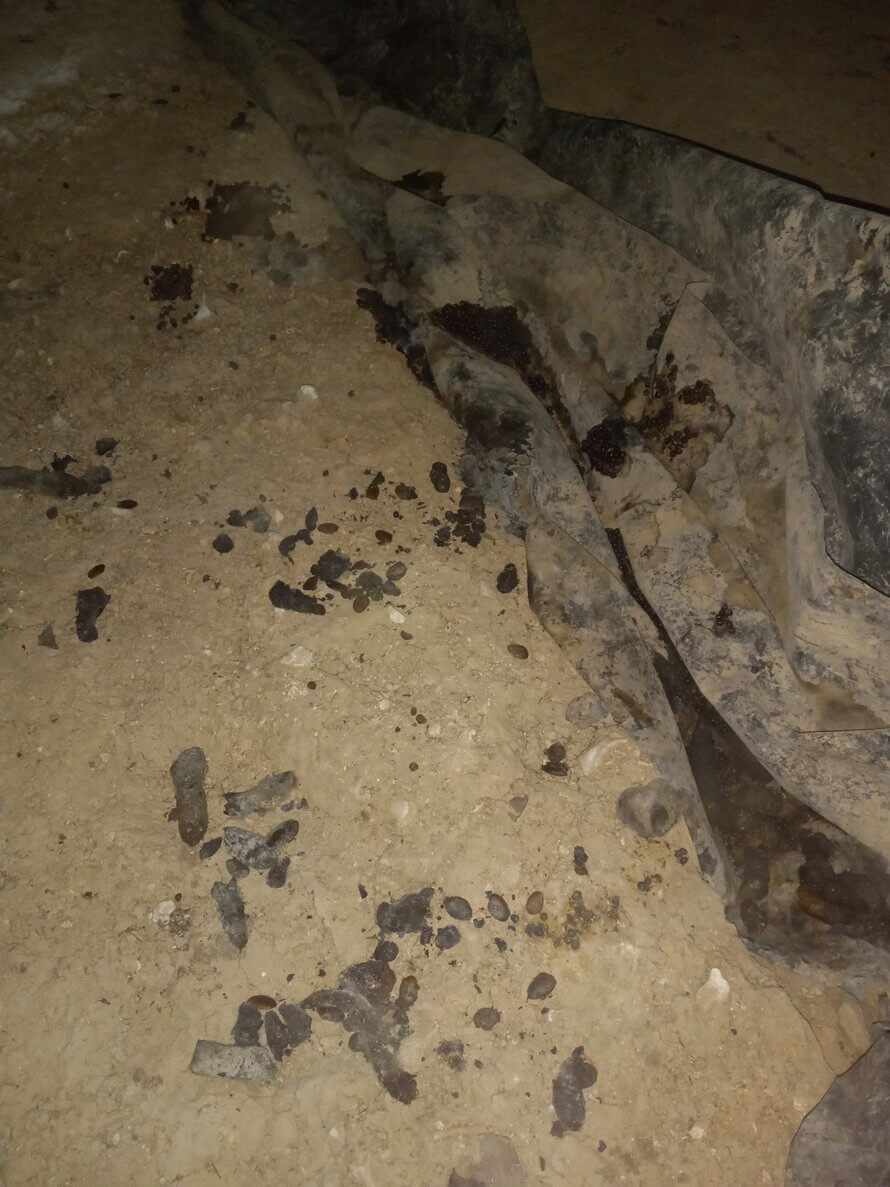
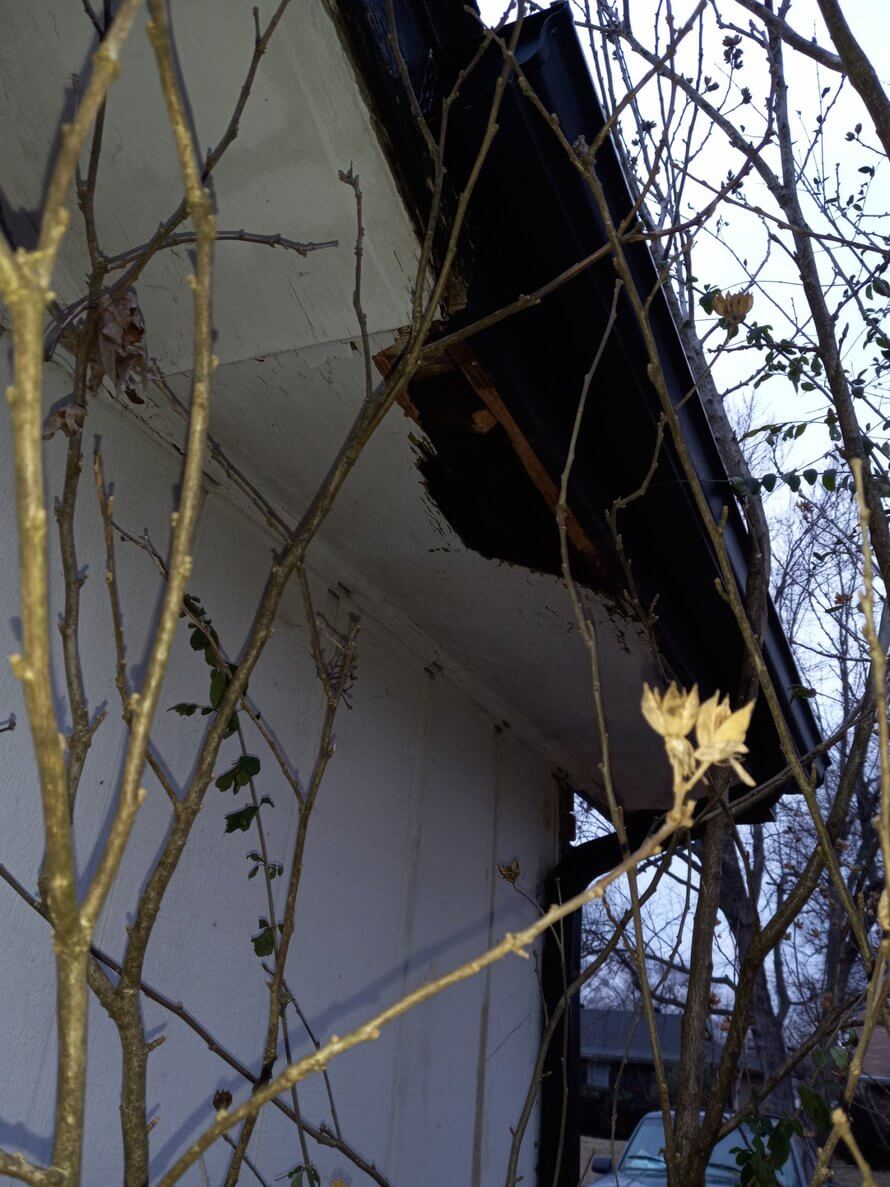
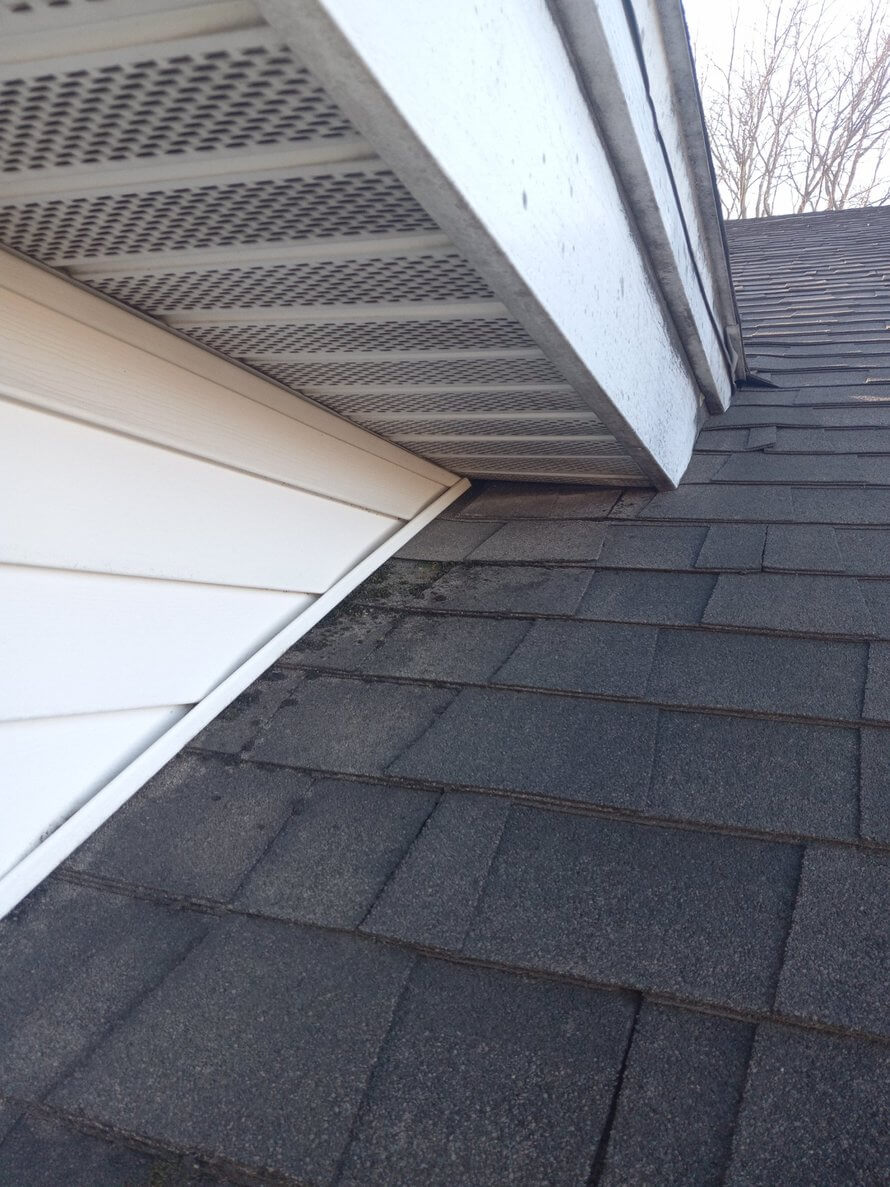
Roofline wildlife problems can cause damage before you realize animals are inside. For example, you may notice torn soffits, damaged vents, chewed fascia, droppings, stains, scratching noises, or animals moving near the roof. You may also see gaps around vents, trim, or attic openings. When this happens, it is important to remove the animal and close the entry point.
Chimney, Vent & Roof Entry Protection
Animals can enter through small gaps around rooflines, soffits, eaves, vents, chimneys, dormers, and fascia. For example, bats may use tiny gaps near attic vents or gable vents. Squirrels may chew through fascia or soffit areas. Raccoons may damage roof edges, eaves, or weak entry points to get inside.
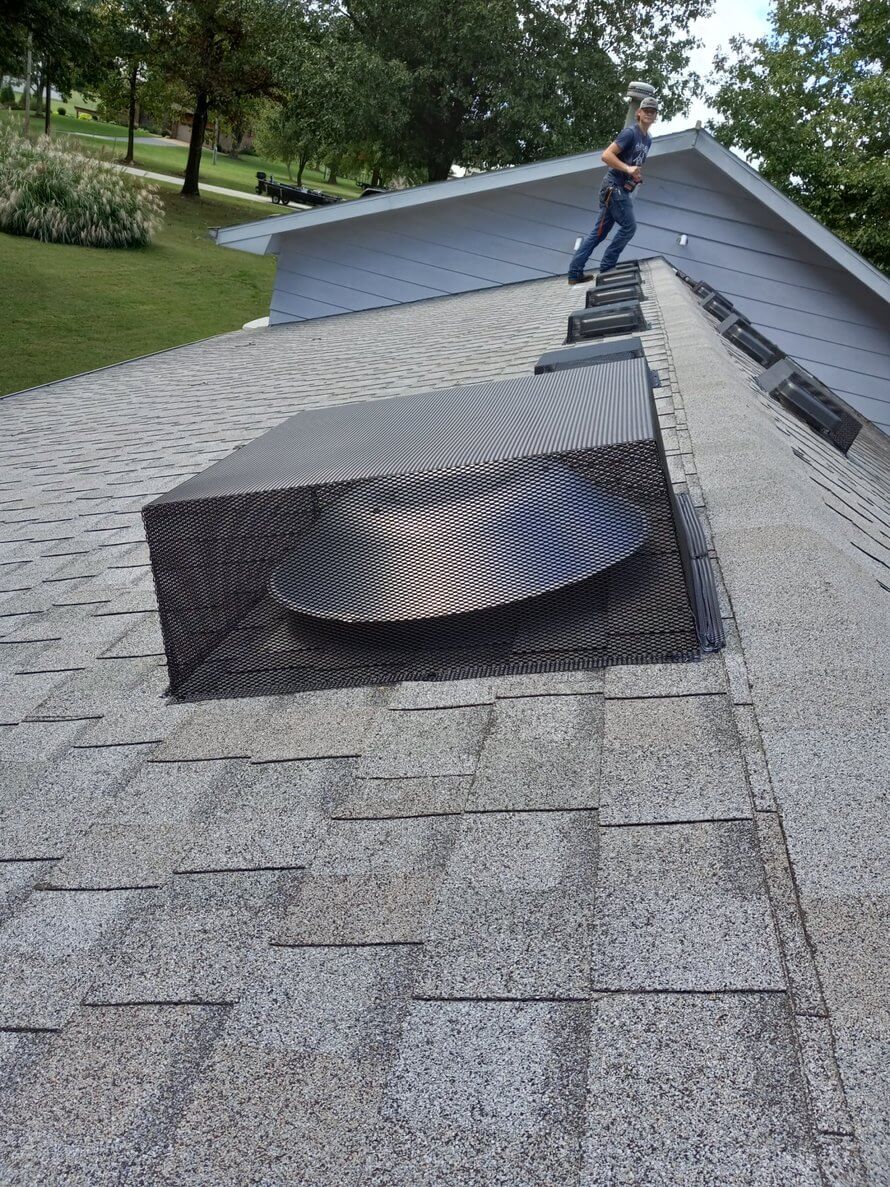
Kennedy Wildlife can inspect common roof entry areas, including chimney openings, roof vents, attic vents, gable vents, soffits, fascia gaps, dormer gaps, plumbing vent areas, and other vulnerable spots. Then, we can recommend entry point repair, chimney screening, roof vent covers, gable vent protection, or exclusion materials when needed.
Common Roofline Wildlife Problems
– Squirrels chewing fascia or roof edges
– Bats entering small gaps near vents
– Birds nesting in vent openings
– Damaged soffits
– Loose or broken vent covers
– Roofline gaps
– Attic entry points
– Droppings or staining
– Repeat wildlife activity near the roof
After Roofline Wildlife Removal
Removal is only one part of the process. After the animal is gone, Kennedy Wildlife can look for damage, open entry points, droppings, odor, nesting material, and weak areas. In addition, we can recommend exclusion work or repairs to help prevent future roofline wildlife problems.